Hello, adventurers! As the summer season approaches, many of you might be planning to tackle Japan’s most iconic peak, Mt. Fuji. Known for its breathtaking beauty, this world-renowned mountain attracts climbers from all over the globe every year. However, issues like severe overcrowding on specific trails, dangerous “bullet climbing” (rushing to the summit without resting overnight), and littering have become significant concerns.
To protect Mt. Fuji’s magnificent natural environment and ensure a safe and comfortable experience for everyone, comprehensive new rules will officially be implemented starting in the 2026 climbing season. In collaboration with the Ministry of the Environment’s latest awareness campaign, we’ve put together this complete guide covering everything you need to know—from the latest regulations to essential trail etiquette. Let’s get ready to climb Mt. Fuji responsibly!
Understanding the New Rules for Climbing Mt. Fuji in 2026
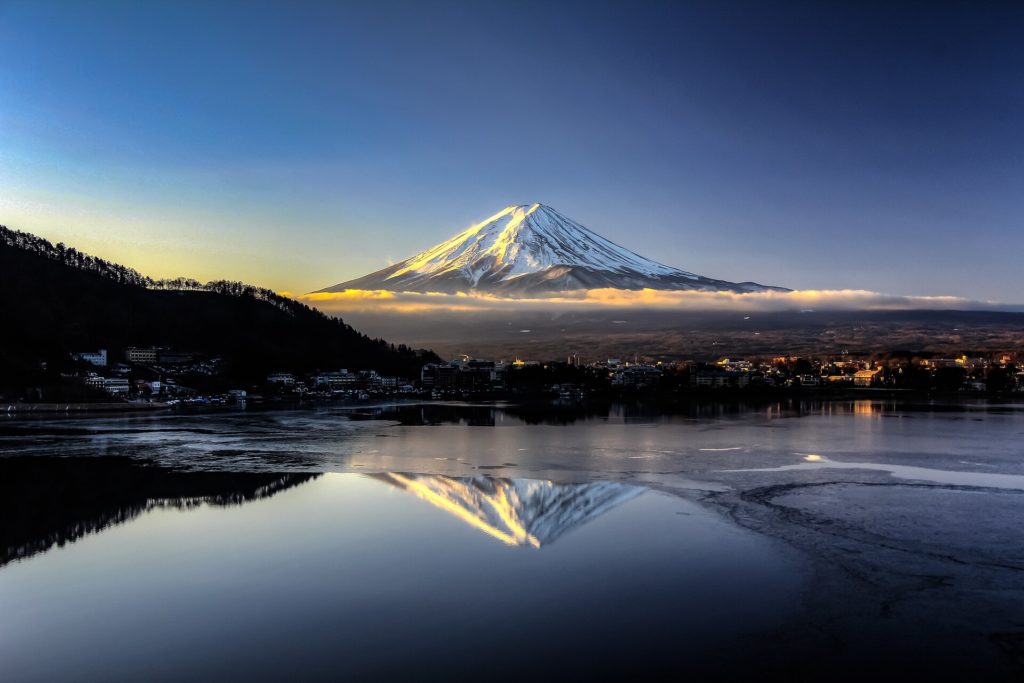 CC BY-SA 4.0 撮影者:KUROFUNEくろふね
 In the summer of 2026, Mt. Fuji is taking major steps to combat overtourism and ensure climber safety. The most significant change is the introduction of a mandatory 4,000 yen admission/hiking fee across all four main trails (Yoshida, Subashiri, Gotemba, and Fujinomiya). These funds are vital for trail maintenance and safety measures. Additionally, to prevent the dangerous practice of “bullet climbing” overnight, access to the trails will be restricted between 2:00 PM and 3:00 AM unless you have a confirmed reservation at a mountain hut. Bullet climbing drastically increases the risk of altitude sickness and exhaustion, so always plan a relaxed itinerary that includes an overnight stay.
There are also specific rules depending on the trail you choose. On the Yoshida Trail (Yamanashi Prefecture), the number of climbers will be capped at 4,000 people per day to ease dangerous bottlenecks near the summit. Meanwhile, if you plan to climb via the Shizuoka Prefecture trails (Subashiri, Gotemba, or Fujinomiya), you will be required to complete an online pre-learning module on safety and etiquette before you are granted entry. This system allows you to learn the essential manners via your smartphone before arriving at the mountain.
Please also take note of scheduling changes. The Subashiri Trail, which traditionally opened on July 10th, is scheduled to open earlier on July 1st for the 2026 season. Always check the latest information when planning your trip. We highly recommend using the web registration system on the newly renovated Official Website for Mt. Fuji Climbing to complete your registration, payments, and safety modules in advance. While these new rules might seem like an extra step, they are all designed so we can enjoy Mt. Fuji safely. Prepare well and have a great start!
Preparation and Etiquette on the Trail to Protect Your Life
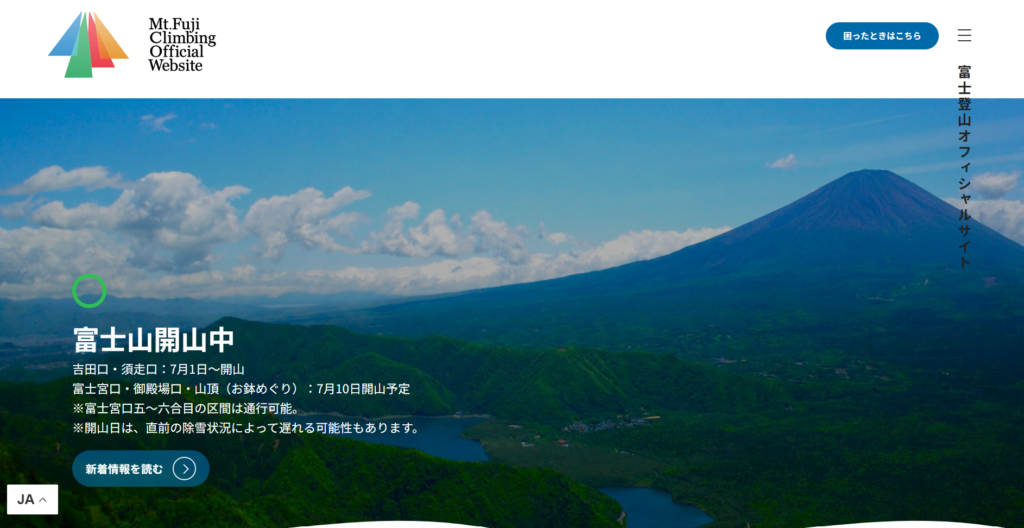 Official Website for Mt. Fuji Climbing(See the article below for the site URL.)
 Standing tall at 3,776 meters, Mt. Fuji is Japan’s highest mountain. The temperature difference between the 5th station trailhead and the summit is extreme; temperatures drop by about 0.6 degrees Celsius for every 100 meters of elevation. Even in the middle of summer, temperatures at the top can drop close to freezing, and strong winds will make it feel even colder. Therefore, proper gear is literally a lifesaver. Ensure you have sturdy, well-broken-in high-cut hiking boots, a two-piece waterproof rain suit, and warm layers like fleece or down jackets. A headlamp is essential for early morning or night hiking, and a good backpack will keep your hands free.
When you arrive at the 5th station, don’t rush! Take at least an hour to rest and acclimatize to the altitude to prevent altitude sickness. Stay hydrated and walk at a slow, steady pace while taking deep breaths. On the trail, remember that hikers going up generally have the right of way. Be courteous, yield when necessary, and greet your fellow climbers with a friendly “Hello!” Never attempt to forcefully overtake others in crowded areas or walk on the edges of the path, as this can cause you to lose balance, fall, or trigger dangerous rockfalls onto climbers below you.
You will notice guide ropes along the trail to keep you on the right path. Please do not lean on or pull these ropes; they are not designed to support human weight, and breaking them could result in a dangerous fall. Also, when passing by or resting near mountain huts, remember that many climbers will be inside resting or sleeping for their summit push. Making loud noises, even during the day, is unacceptable. At night, keep your headlamp pointed only at your feet and remain quiet. Being mindful and considerate of others ensures that everyone stays safe.
What We Can Do to Preserve the Beautiful Mt. Fuji for the Future
 As an official partner of the national parks, USP Japan engages in public awareness activities to foster a virtuous cycle between the use and conservation of these parks.
 Mt. Fuji is largely designated as a National Park and a UNESCO World Cultural Heritage site, boasting a unique and incredibly delicate ecosystem. To preserve its beauty for future generations, every single climber’s actions matter immensely.
The most fundamental golden rule of Mt. Fuji is: “Leave No Trace.” There are absolutely no trash cans on the mountain. Everything you bring up—from plastic bottles to snack wrappers—must go back down with you to your home. A pro tip is to remove excess packaging from your food before you even start your hike to drastically reduce your waste.
Furthermore, it is strictly forbidden by law to take home or even move any volcanic rocks, sand, or plants. Leave only footprints and take only pictures. Defacing buildings or rocks with graffiti is also completely forbidden. To protect the fragile alpine vegetation, never stray from the designated trails. Pitching tents, making campfires, and bringing pets are strictly prohibited. Always use the designated restrooms, and if you use a portable toilet in an emergency, you must carry the waste back with you. To prevent the spread of invasive plant species, be sure to use the cleaning mats at the trailheads to scrub the mud off the soles of your boots before you begin your ascent.
Please also be mindful when taking photos. Flying drones or paragliders is banned due to unpredictable air currents that could lead to crashes and severe accidents involving other climbers. Refrain from using selfie sticks in crowded areas. The newly revamped Official Website for Mt. Fuji Climbing offers multilingual “Mt. Fuji Climbing Safety Guide” videos that explain these rules in an easy-to-understand way. Be sure to check them out in advance so you are fully prepared for your climb!
With the introduction of these new rules in 2026, climbing Mt. Fuji is evolving into a safer and more sustainable adventure. By learning in advance, preparing thoroughly, and respecting the rules and etiquette, the breathtaking sunrise from the summit of Japan will undoubtedly become one of the greatest memories of your life. Safety first, and enjoy your incredible journey up Mt. Fuji!
Be sure to visit the Official Website for Mt. Fuji Climbing for the latest updates and registration details.